
Renaissance
The Renaissance is regarded as an era of the rediscovery of classical forms, humanism, and a renewed focus on nature, space, and human individuality. During this period, the image of the artist as a learned and creative figure was reinforced. Many of the foundations of the modern conception of art were laid during this time.
➡ General information on Art History and Artistic Periods
➡ Overview of art periods from antiquity to the modern era
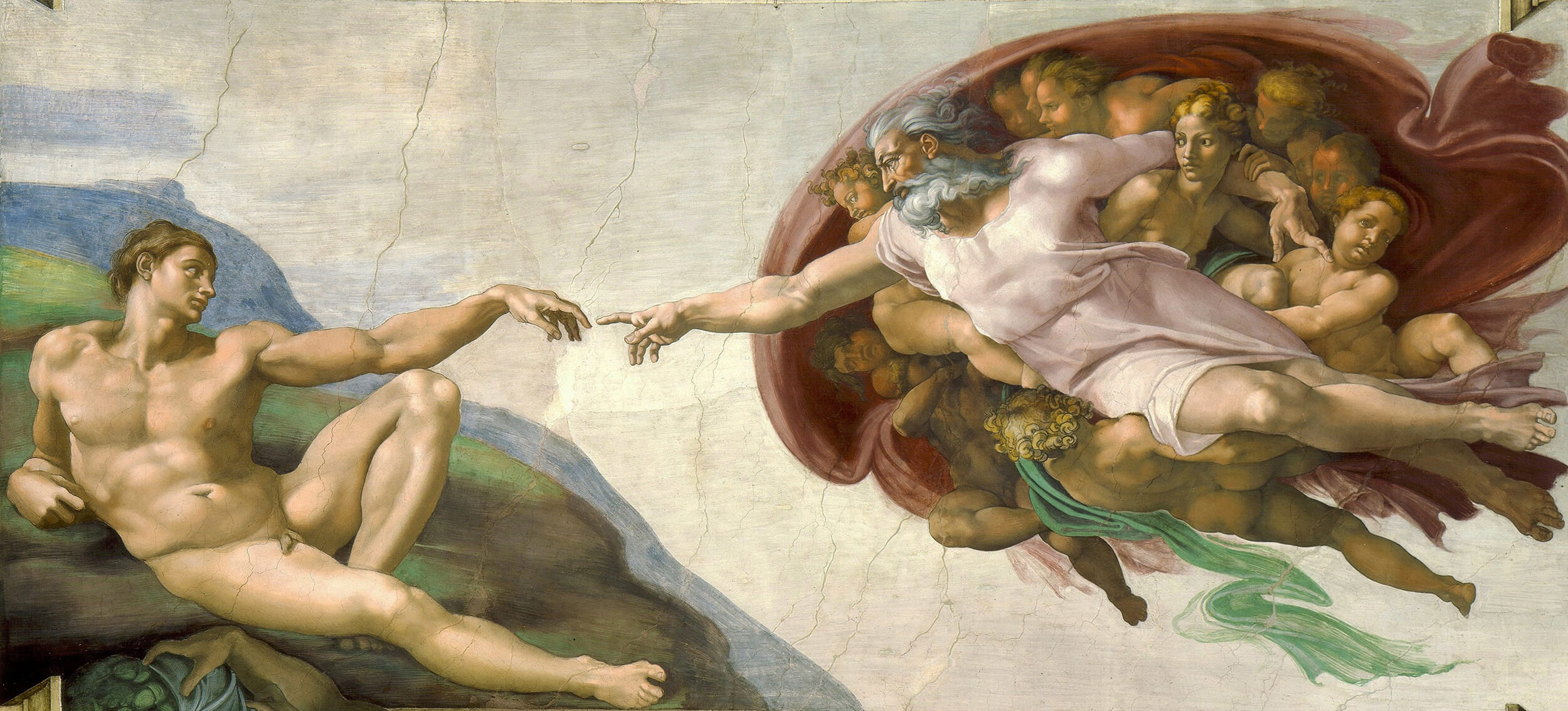
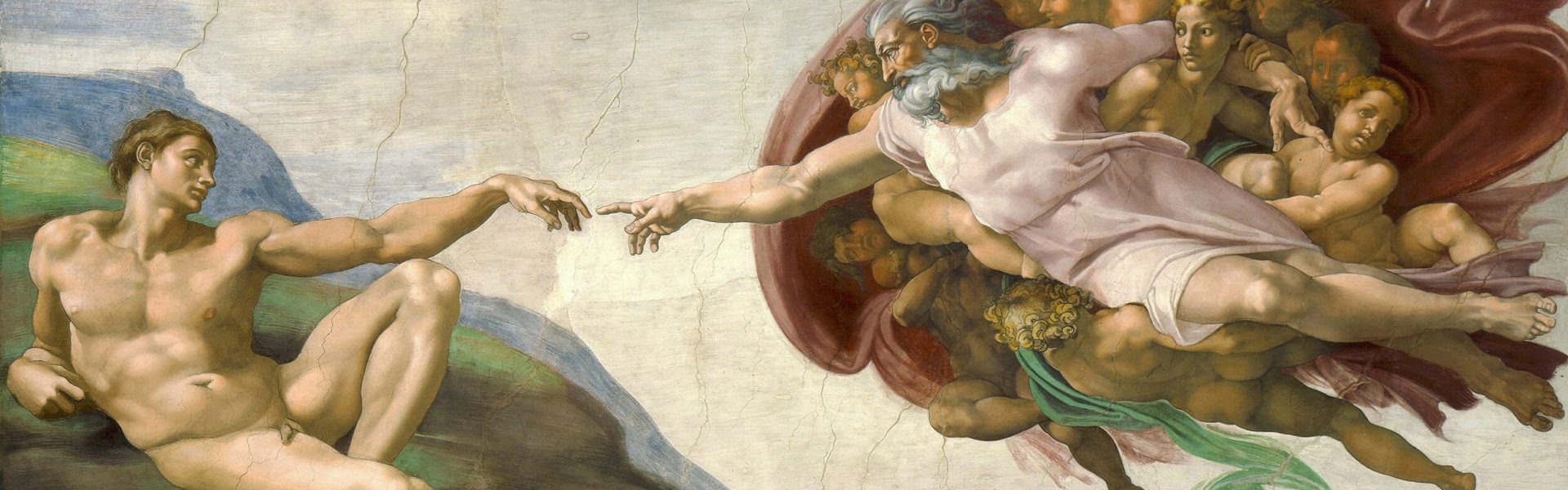
Michelangelo – The Creation of Adam
Time Period
In the field of art, the Renaissance is generally dated from the 14th to the 16th century, beginning in Italy and later spreading to other parts of Europe. Florence and Rome, in particular, developed into important centers. Within this period, a distinction is often made between the Early Renaissance, High Renaissance, and Late Renaissance.
Key Milestones
Crucial factors included the revival of classical formal ideas, the development of linear perspective, and the new study of anatomy and nature. Spaces were depicted more convincingly, bodies observed more precisely, and compositions arranged more clearly. At the same time, artists gained greater social prestige than in previous centuries.
Influential Artists
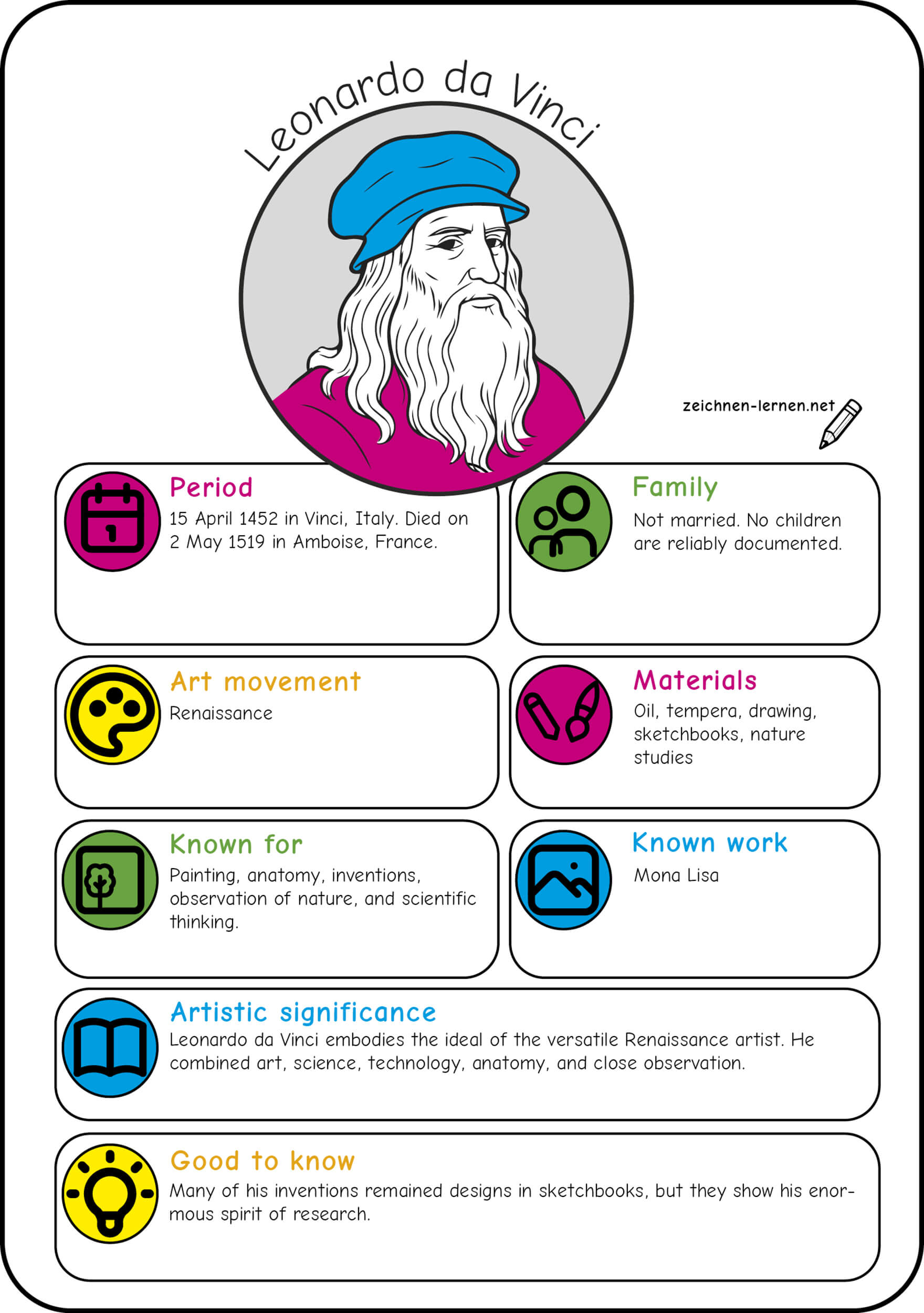
Among the influential artists are Brunelleschi, Donatello, and Masaccio as pioneers of the Early Renaissance. During the High Renaissance, Leonardo da Vinci, Michelangelo, and Raphael became particularly influential figures. Their works combined observation of nature, intellectual insight, and formal balance in an exemplary manner.
Famous key works
- Mona Lisa
Famous for having become the epitome of Renaissance portraiture and, at the same time, a global visual symbol. - David by Michelangelo
Famous for its convergence of human grandeur, anatomical precision, and republican symbolism. - Ceiling fresco of the Sistine Chapel
Famous because monumental narrative art, anatomy, and fresco technique form a connection here that remains influential to this day.
Connoisseur’s gems
- The Arnolfini Portrait
A connoisseur’s gem because it so impressively reveals early oil painting, symbolic density, and precision of observation. - The Isenheim Altarpiece
A connoisseur’s gem because the Renaissance, late Gothic, and religious intensity are intertwined here with extraordinary visual power. - Piero della Francesca, The Flagellation of Christ
A connoisseur’s gem because spatial composition, perspective, and quiet mystery appear in a rare concentration.
Typical Materials and Media
Fresco was the preferred medium because large wall surfaces in churches and palaces needed to be designed to be durable and monumental. Tempera remained important, especially in the Early Renaissance, because it allowed for clear contours and precise areas of color. Oil painting gained significant importance because it allowed for finer transitions, depth, and luminosity. Marble and bronze were preferred for sculpture because they allowed for particularly convincing renderings of ideal form, anatomy, and lasting representation.
Impact on the Era
Renaissance art was closely linked to humanism, education, and urban representation. A new view of humanity emerged, in which individuality, knowledge, and an understanding of nature took center stage. Art thus became an expression of intellectual renewal and cultural self-affirmation.
Summary
| Key Features | Materials and Resources | Notable Artists | Notable Artworks |
| Rediscovery of Antiquity | Oil on wood or canvas | Leonardo da Vinci | Leonardo da Vinci: Mona Lisa and The Last Supper |
| Greater Focus on the Human Figure | Tempera | Michelangelo | Michelangelo: David and The Creation of Adam |
| Central perspective and spatial depth | Fresco | Raphael | Raphael: The School of Athens |
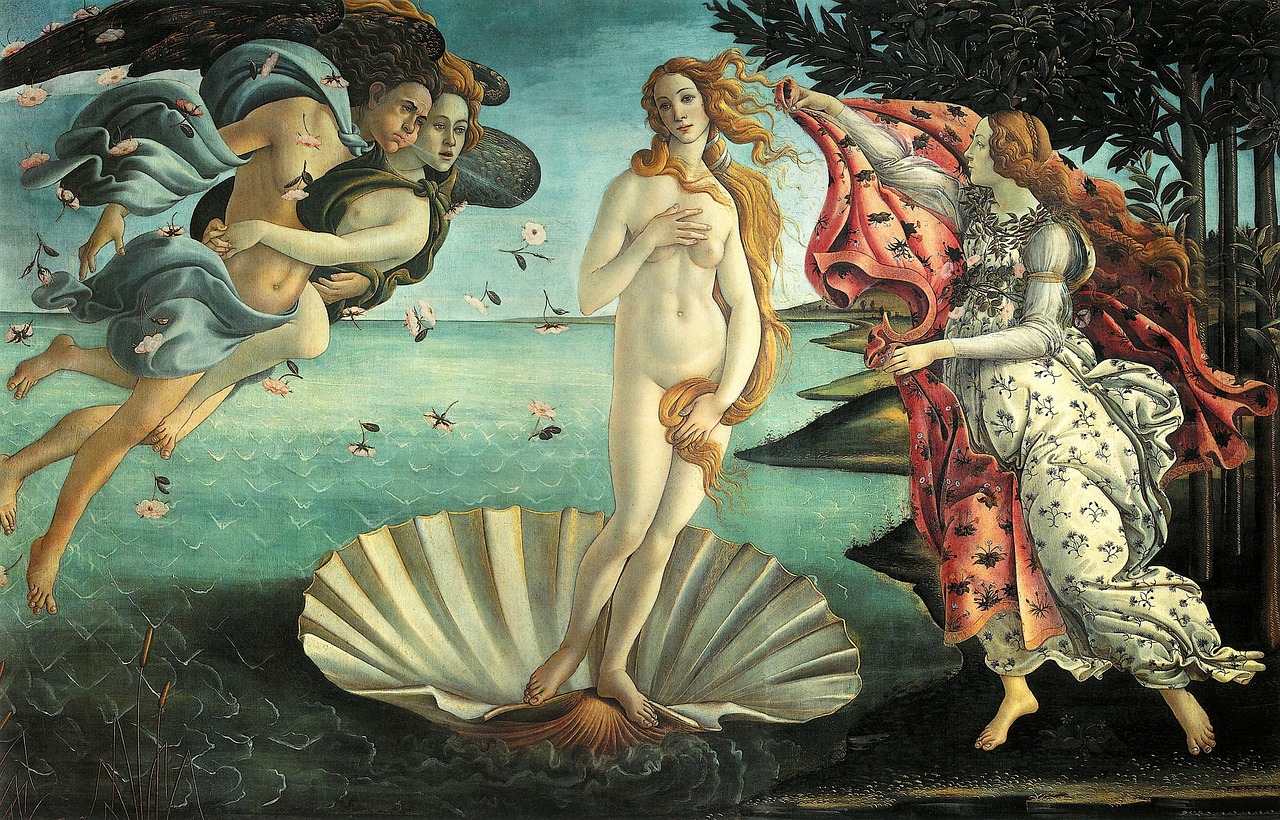
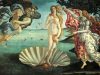
| Observation of nature and anatomy become important | Drawing | Sandro Botticelli | Sandro Botticelli: The Birth of Venus |
| Harmony, proportion, and balanced composition | Marble | Albrecht Dürer | Albrecht Dürer: Praying Hands |
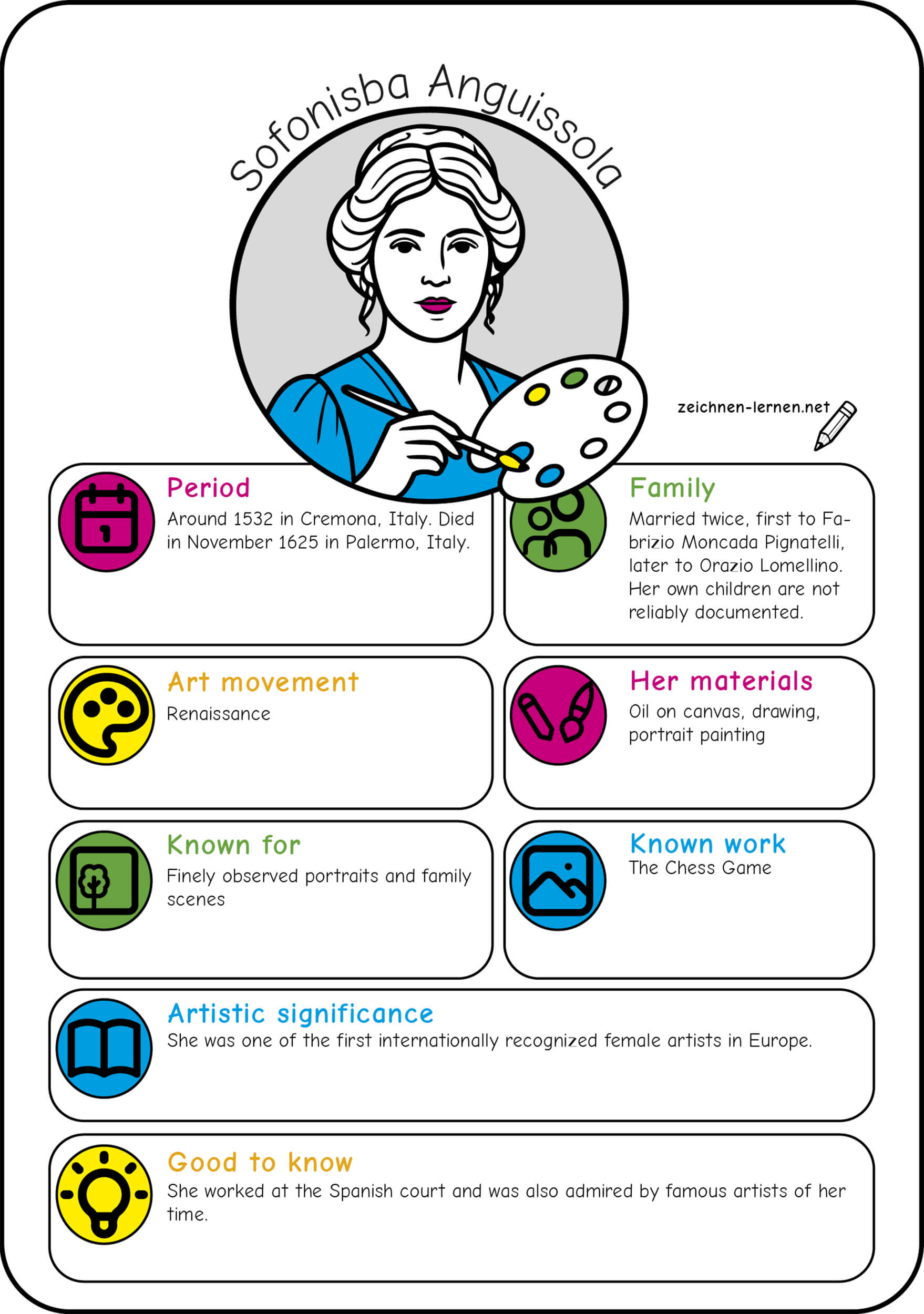
| Artists are perceived as independent personalities | Bronze | Sofonisba Anguissola | Sofonisba Anguissola: The Game of Chess |
| Perspective construction | |||
| Anatomical studies |