


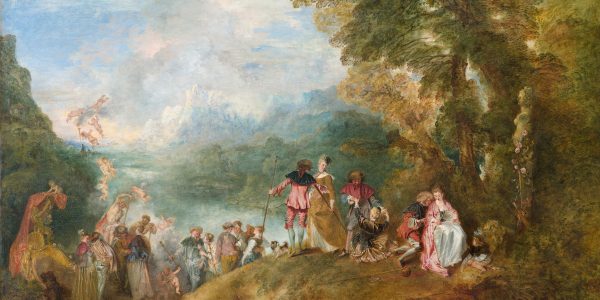
The Rococo Art Period
Rococo The Rococo evolved from the Baroque, but took a different direction. Lightness, decorative elegance, asymmetrical forms, and finely coordinated colors came to the fore. The era felt less monumental and was more focused on refined interiors and social prestige….
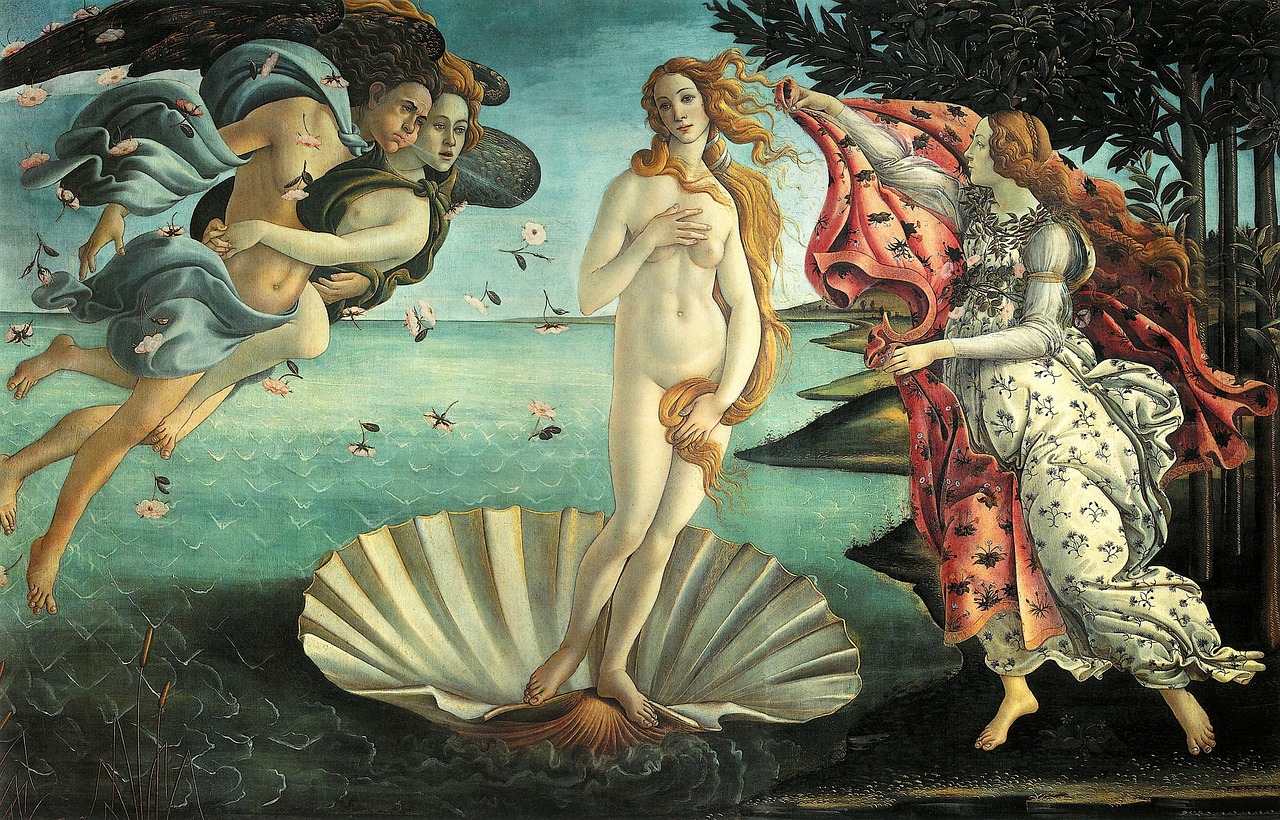
Art History and Artistic Periods
Art History and Artistic Periods Art history deals with the development of art from antiquity to the present day. To better understand the many different art styles, they are divided into so-called artistic periods. These art periods help identify and…
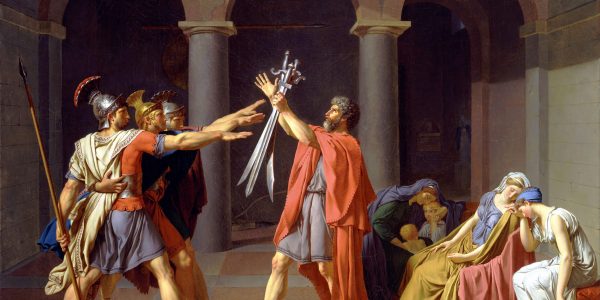
Art Period: Classicism
Classicism Classicism turned once again to antiquity, but with greater rigor, clarity, and moral significance. In contrast to the playful lightness of the Rococo, a more serious and orderly style emerged. Art was now frequently associated with virtue, moderation, and…
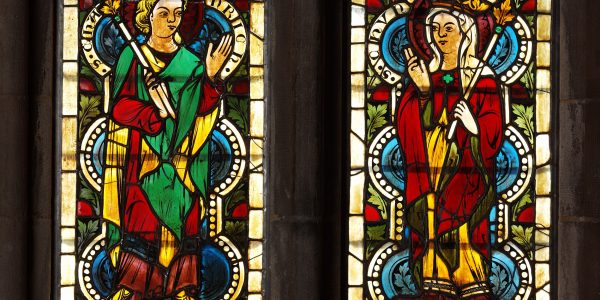
The Gothic Period
Gothic The Gothic period gave rise to a new conception of space, light, and verticality. Cathedrals, stained-glass windows, sculptures, and panel paintings became more nuanced, refined, and striking. The era combined religious significance with urban self-confidence and artistic refinement. ➡…
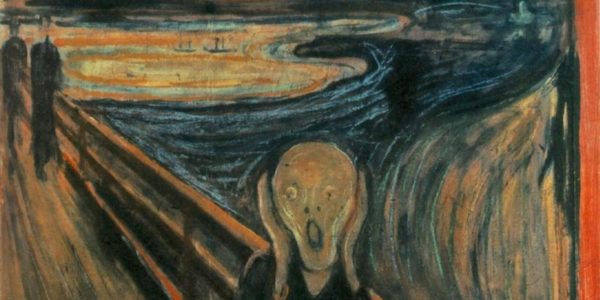
Art Movement: Expressionism
Expressionism Expressionism focused not on outward appearance, but on inner experience. Forms were simplified, distorted, or exaggerated, and colors were deliberately used in a non-representational manner. Art was not meant to depict reality, but to make emotional excitement and subjective…

Art Movement: Impressionism
Impressionism Impressionism fundamentally transformed painting by placing greater emphasis on fleeting impressions, shifting light, and immediate perception than on clear contours and defined forms. The visible modern world, with its new movements and atmospheres, became a central theme in art….
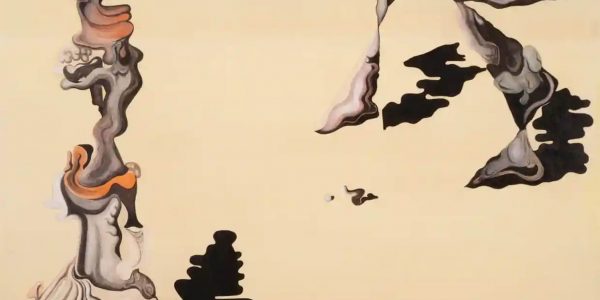
The Surrealist Art Movement
Surrealism Surrealism turned its attention to dreams, the unconscious, and the irrational. In the wake of war and crisis, faith in an order guided purely by reason was deeply shaken. Art therefore sought visual forms that lay beyond immediate reality…
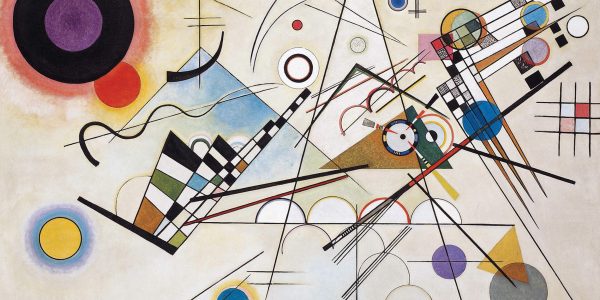
The Bauhaus and Functional Modernism Art Movements
Bauhaus and Functional Modernism With the Bauhaus, art became more closely linked to architecture, craftsmanship, design, and industrial production. The focus was no longer solely on individual works of art, but on a new form of design for everyday life….
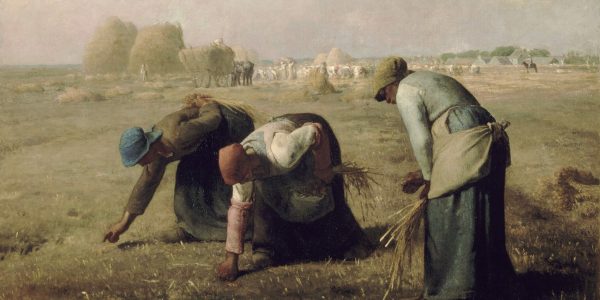
Art Movement: Realism
Realism Realism deliberately focused on the reality of the present. Everyday life, work, social circumstances, and societal conditions were made the subject of art without any idealizing romanticization. This marked an important step toward a sober and socially conscious approach…
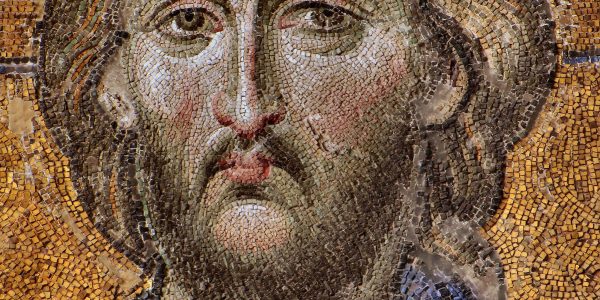
Art Period: Early Middle Ages
Early Middle Ages With the transition from antiquity to the Middle Ages, themes, functions, and artistic concepts underwent fundamental changes. The focus shifted from the observation of nature in antiquity to Christian themes, symbolic forms, and sacred purposes. Art was…
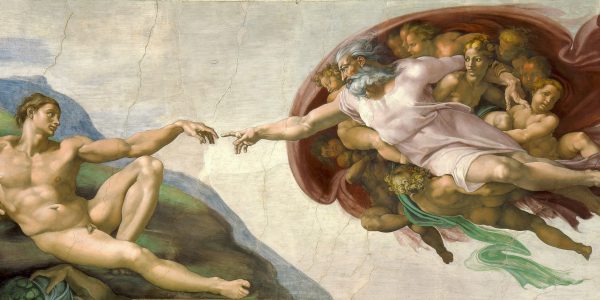
Renaissance Art Period
Renaissance The Renaissance is regarded as an era of the rediscovery of classical forms, humanism, and a renewed focus on nature, space, and human individuality. During this period, the image of the artist as a learned and creative figure was…
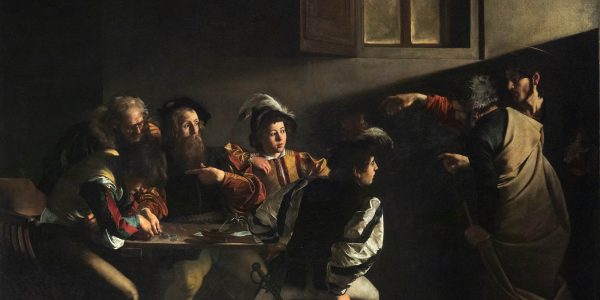
The Baroque Period
Baroque The Baroque period is characterized by movement, pathos, strong light-and-shadow effects, and expansive staging. Art was not meant merely to depict, but to overwhelm, convince, and penetrate. The close connection between painting, sculpture, and architecture shaped the era to…
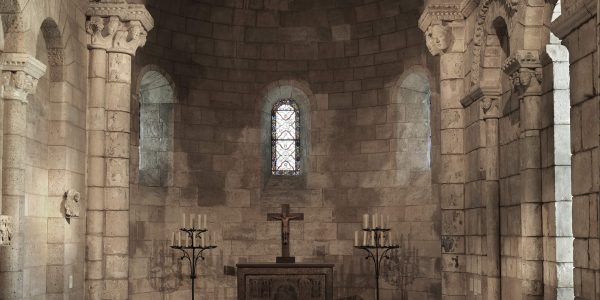
The Romanesque Period
Romanesque The Romanesque period is characterized by grand church buildings, clear formal systems, and highly symbolic iconography. Art, architecture, and sacred order were closely intertwined. The works of this period often appear cohesive, monumental, and focused on conveying a clear…

The Romantic Period in Art
Romanticism Romanticism countered the order of Classicism with a stronger emphasis on emotion, the experience of nature, inner life, and imagination. The sublime, the mysterious, and the historical took on new significance. The art of this period often focused on…







I’m a nerdy artist. Drawing led me to my first website, and from there to a lot of expertise and my career.
I love drawing little comic characters or stuff with comic-style eyes—and mermaids! ^^
My favorites are Touch Markers, but I’m trying out all kinds of materials and subjects—thanks in part to the blog.
I’m always open to questions and would love to hear your feedback!
Best, Steffi


