
Gothic
The Gothic period gave rise to a new conception of space, light, and verticality. Cathedrals, stained-glass windows, sculptures, and panel paintings became more nuanced, refined, and striking. The era combined religious significance with urban self-confidence and artistic refinement.
➡ General information on Art History and Artistic Periods
➡ Overview of art periods from antiquity to the modern era

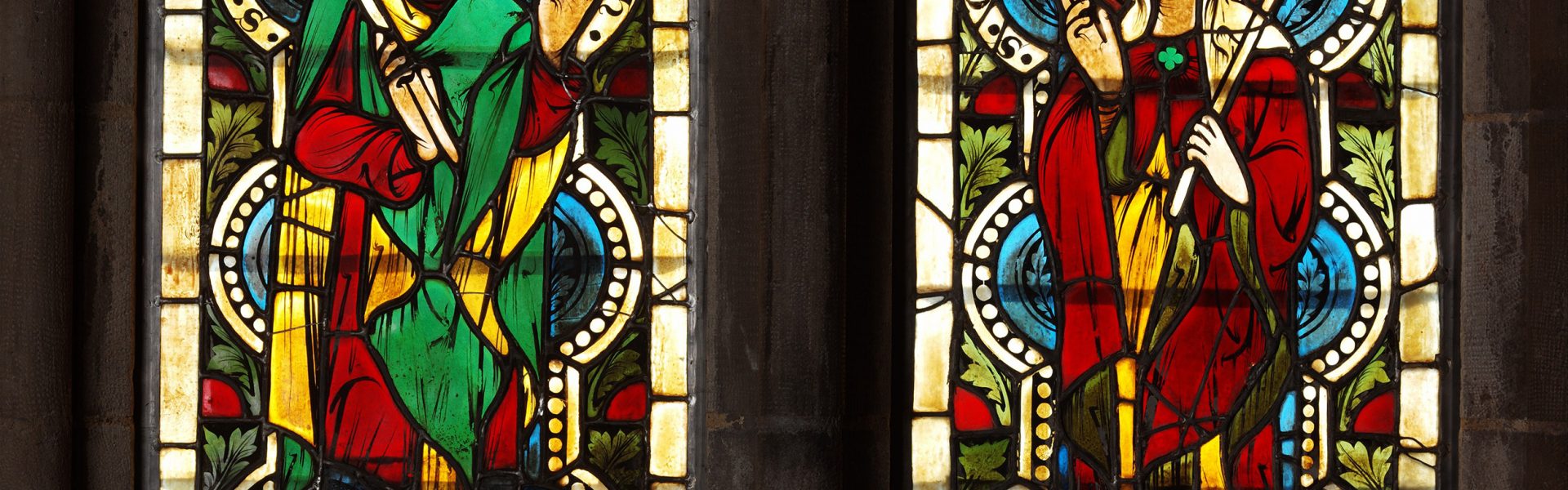
Stained Glass Panel with Queen Kunigunde
Time Period
The Gothic period began in the mid-12th century and lasted, depending on the region, into the 15th or early 16th century. It originated in France, from where it spread to many parts of Europe. Over time, architecture, painting, and sculpture became increasingly sophisticated.
Key Milestones
Early key works emerged in the vicinity of Saint Denis and the great French cathedrals. Typical features included high, light-filled spaces, tracery, stained-glass windows, and increasingly naturalistic figure design. Later, panel painting, devotional images, and richly detailed altars also gained considerable importance.
Influential Artists
Many Gothic works continued to be associated with anonymous workshops and building huts. In the late Middle Ages, however, individual names began to emerge more prominently, such as Claus Sluter in sculpture. Overall, the aim was to achieve an increasingly refined and lifelike depiction of figures and spaces.
Notable Masterpieces
- Chartres Rose Window
Notable because it vividly illustrates the Gothic ideals of light, order, and theological symbolism. - Sainte-Chapelle, Paris
Famous because the stained-glass walls transform the Gothic interior almost entirely into colored light. - Ghent Altarpiece
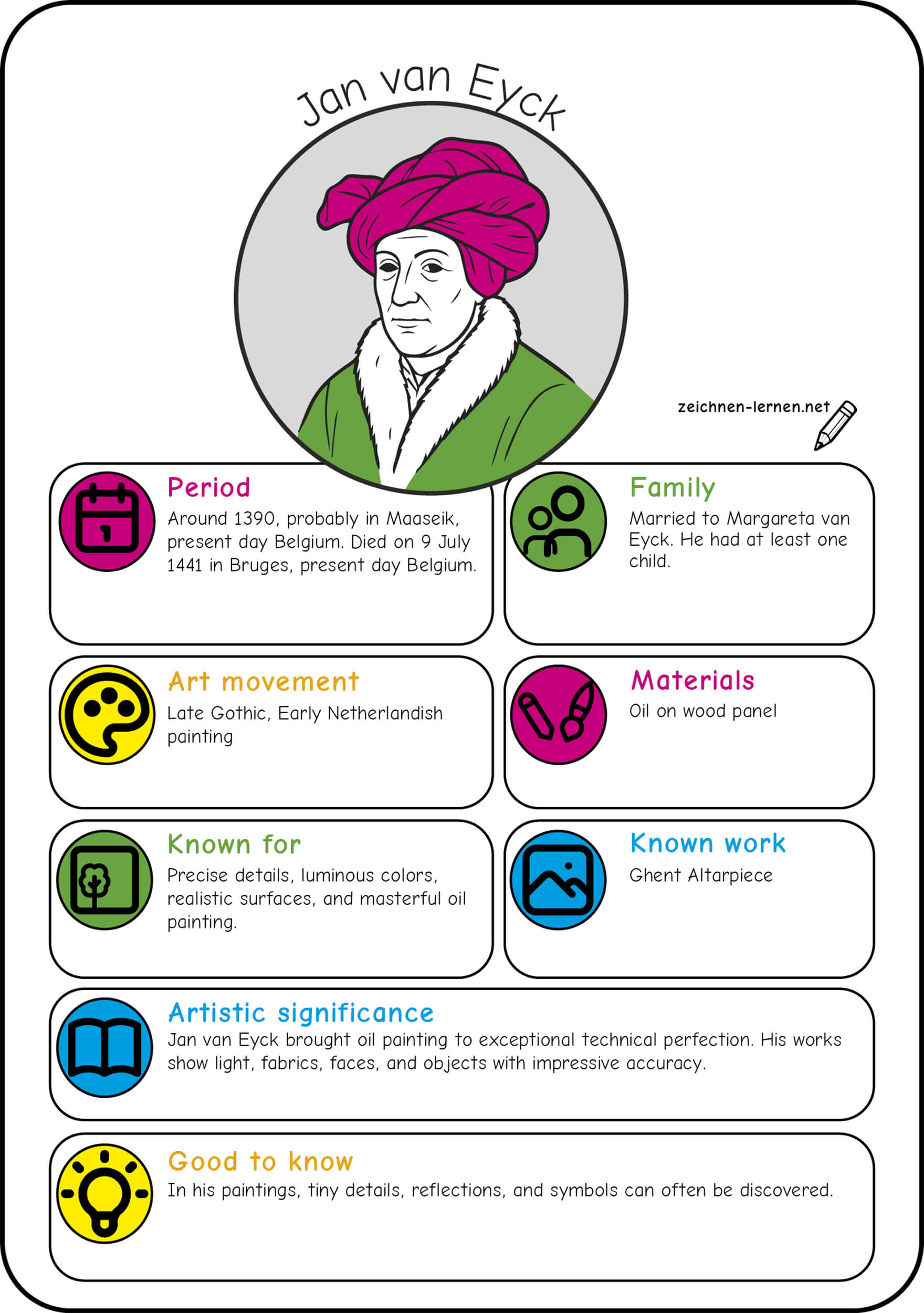
Famous because here the attention to detail, color effects, and iconography of the Late Gothic period converge with extraordinary intensity.
Connoisseur’s gems
- Röttgen Pietà
A connoisseur’s gem because it particularly clearly illustrates the late Gothic emphasis on suffering, compassion, and emotional piety. - Wilton Diptych
A connoisseur’s gem because courtly refinement, political symbolism, and exquisite painting techniques come together in a small format. - Claus Sluter, Fountain of Moses
A connoisseur’s gem because the growing physicality and presence of late Gothic sculpture are exceptionally evident here.
Typical Materials and Media
Stained glass became a primary medium because Gothic church architecture used light as a vehicle for meaning and atmosphere. Stone remained fundamental to architecture and sculpture because cathedrals, portals, and tombs were designed to achieve lasting monumentality. Tempera on wood gained prominence in panel painting because portable devotional images and altarpieces became increasingly important. Ivory was prized because small-scale luxury objects for private piety were in demand.
Impact on the Era
The Gothic cathedral was not only a house of worship but also an expression of urban significance and collective identity. Art here had a religious, social, and political impact simultaneously. Through light, height, and rich decoration, spaces of faith were created that were oriented toward community, reverence, and representation.
Summary
| Key Features | Materials and Resources | Notable Artists | Notable Artworks |
| Tall, bright church interiors | Stone | Jan van Eyck | Ghent Altarpiece |
| Pointed arches, ribbed vaults, and buttresses | Stained glass | Giotto di Bondone | Arena Chapel in Padua |
| Large stained-glass windows | Wood panel, oil on wood panel | Claus Sluter | Madonna in the Rose Garden |
| Figures become more lifelike and natural | Gold leaf | Simone Martini | Chartres Cathedral |
| Religious themes remain important | Tempera | Stefan Lochner | Notre Dame de Paris |
| Greater interest in space, light, detail, and humanity | Sculpture |