
Drawing in Perspective
This page is about how to learn to draw in perspective and what basic knowledge is required. Simply changing the viewer’s perspective can create a great deal of visual interest in a picture. In this article, I’ll list the different perspectives that exist and explain from which angles the viewer can perceive them.
The 7 Perspectives
There are 7 perspectives from which an object can be viewed:
- Top Shot
- Bird’s-eye view
- (Slight) high angle
- Eye level / Normal perspective / rather boring
- (Slight) low-angle view
- Worm’s-eye view
- Bottom view / Bottom shot – straight down from above (very rare)
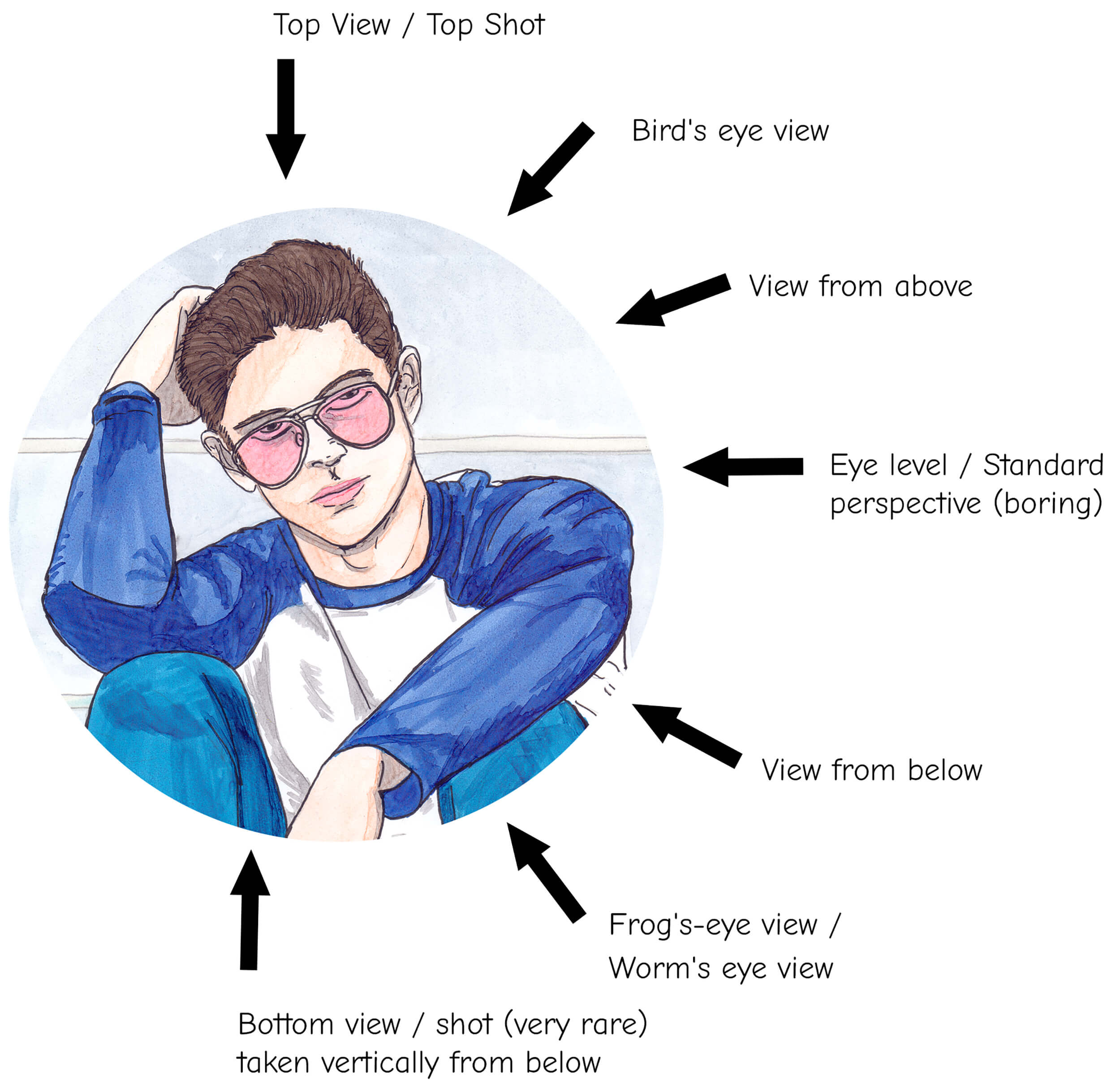
The impact of a subject is often shaped by the perspective from which it is depicted. The most common perspective is “eye level,” which reflects our everyday experience and therefore tends to be rather dull or static.
If you shift the view of the subject slightly upward or downward (looking up or looking down), a completely unfamiliar angle of view emerges, making the subject considerably more interesting to the viewer.
If you want to create extreme tension, more extreme perspectives are ideal (bird’s-eye or worm’s-eye view). These two perspectives are frequently used in drawings and paintings because they convey a completely unfamiliar sensation to the viewer. The bird’s-eye view gives a sense of freedom, as if the viewer were floating above things—everything appears smaller. The worm’s-eye view distorts the landscape; everything seems farther away and more distant—everything appears larger.
The most extreme perspectives—the top-down view and the bottom-up view—are rather rare.
While the top-down view may occasionally occur in everyday life (e.g., when one is on a hill, a building, in an airplane, on a Ferris wheel, etc.), the bottom-up view is virtually never visible to us. This perspective could only occur in glass buildings. Therefore, it is very rare. For these rarer perspectives, one needs a particularly vivid imagination to depict a subject from such an angle.
Examples of Different Perspectives
For the seven perspectives mentioned above, I made an effort to depict a person, a cylinder, and a cube in each of them. It wasn’t always easy, as is particularly evident in the extreme perspectives from below.
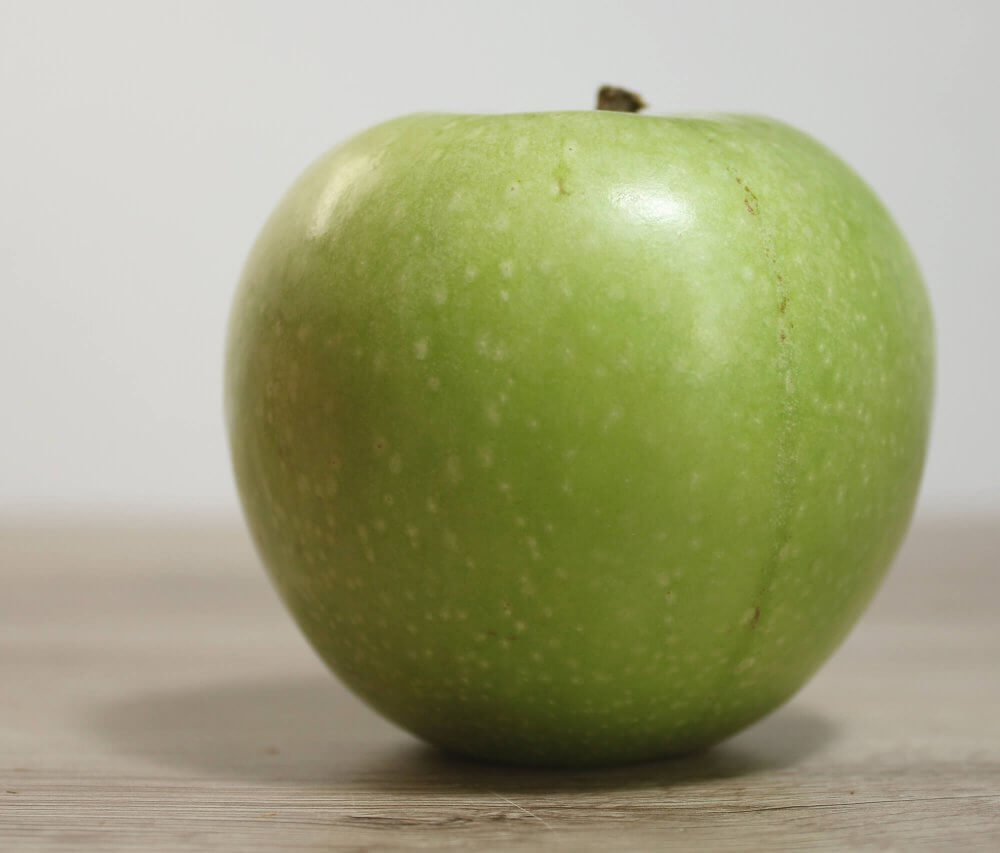
In addition to an apple (see below), I have attempted to depict a human figure, a cone, and a rectangular cube in the seven perspectives mentioned above.
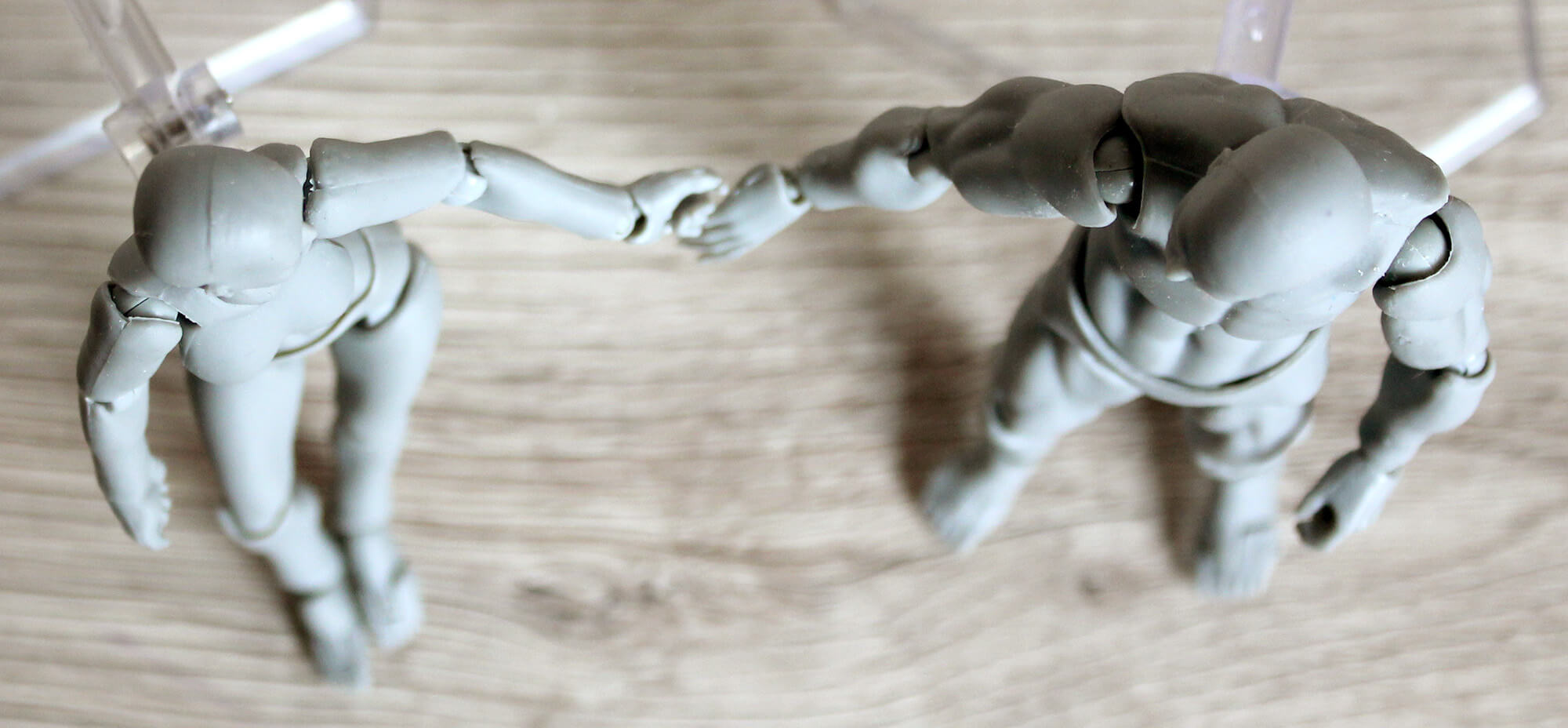
I also photographed a pair of action figures*, movable dolls that can be expanded as desired for sketching, from six possible perspectives and have made the images available here.
In photos (or real viewing angles), the perspectives can be depicted differently than in geometric representations.
Top view
A top view provides a comprehensive, bird’s-eye perspective in which one looks down on a scene, object, or situation from above, offering a complete overview of what is happening.
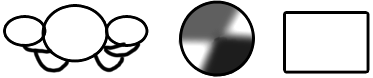
Bird’s-eye view
The bird’s-eye view offers a fascinating perspective from above, like a bird soaring majestically over the landscape. This perspective provides a wide field of view and conveys a sense of overview and distance, while the details and patterns of the scene below become clearly visible.
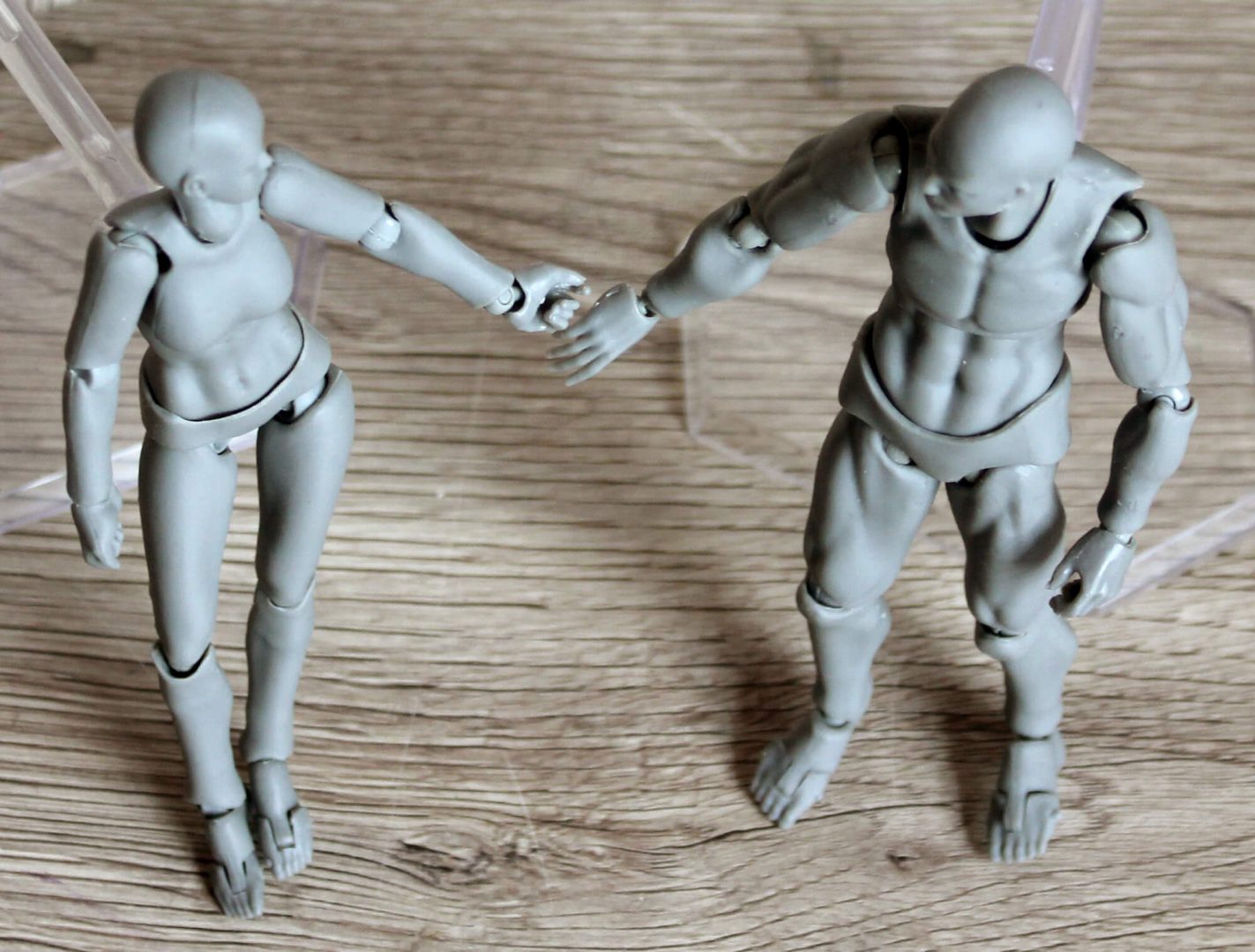
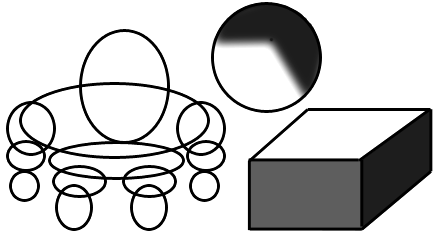
Supervision
Supervision offers an unusual and unique perspective, allowing the viewer to look down on an object or scene from above. This creates a special sense of distance, making viewers feel elevated while providing them with a complete view of the shapes, patterns, and details that are often hidden when viewed from below.
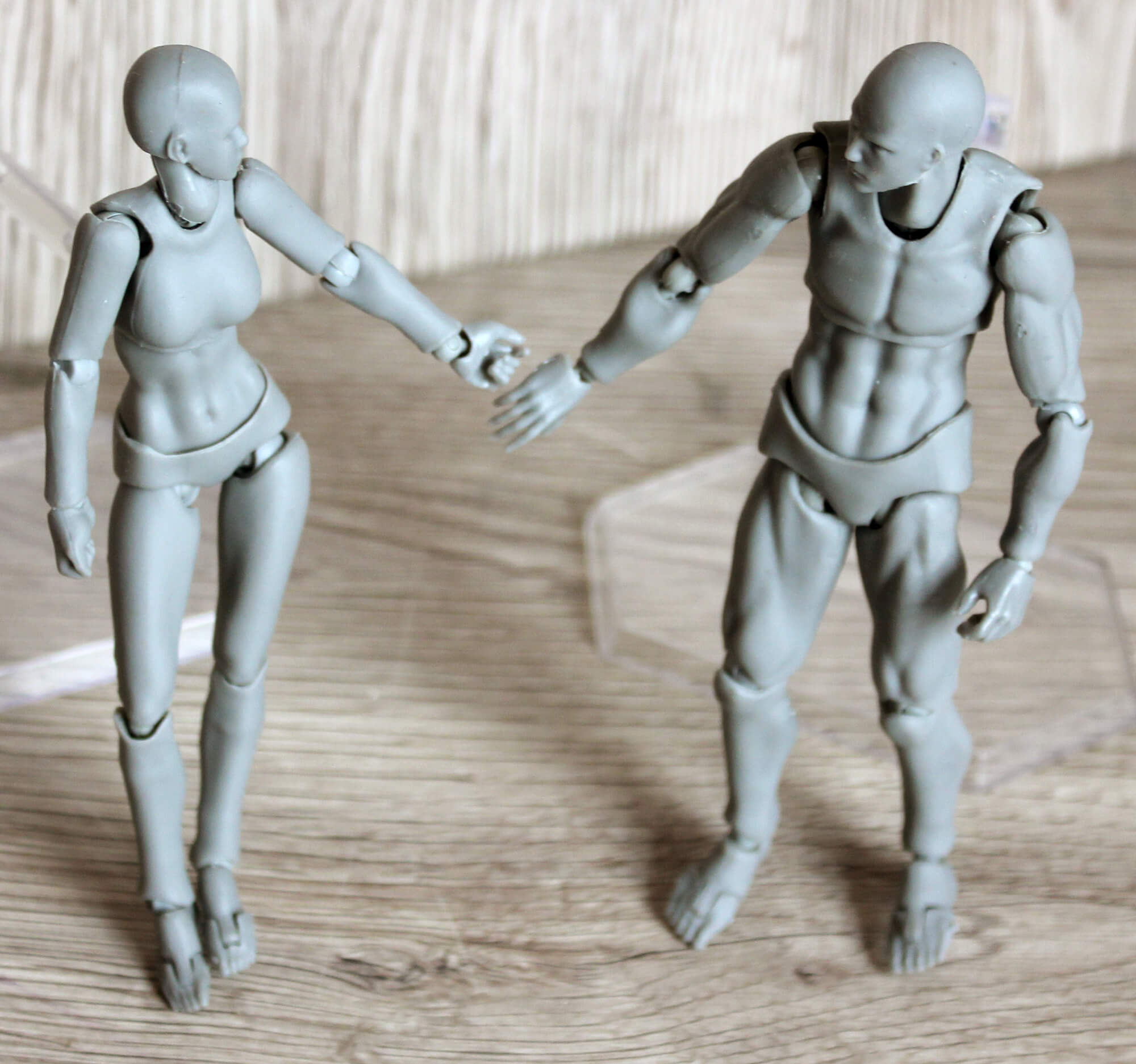
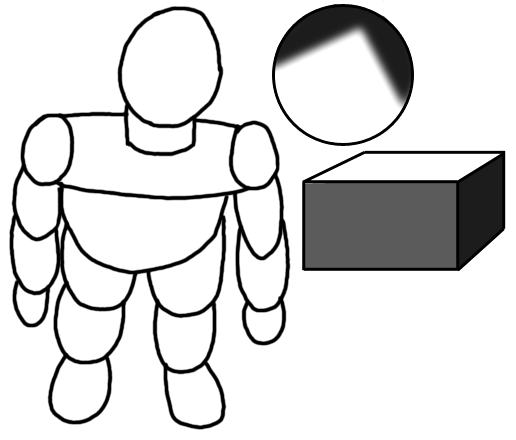
Eye Level
The eye-level perspective offers a direct and immediate view of the action by positioning the viewer at the same height as the objects or people depicted. This creates an authentic and immersive experience, making you feel as though you are right in the middle of the action and allowing you to perceive subtle nuances in facial expressions, gestures, and expressiveness.
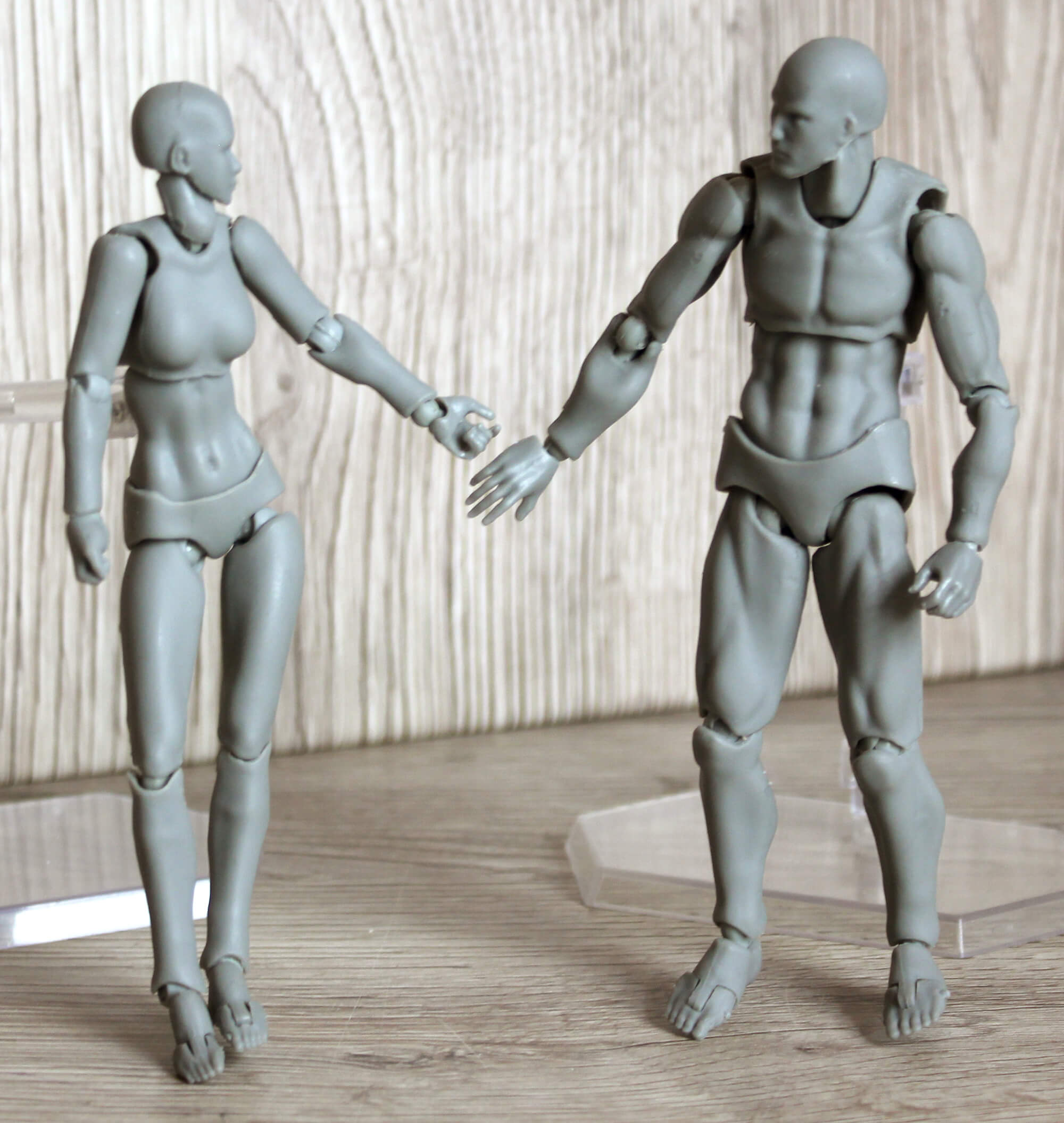
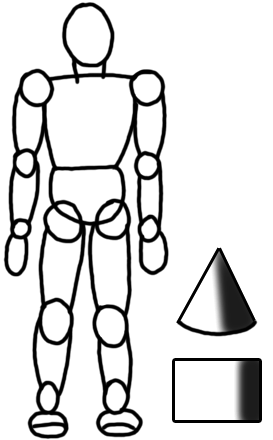
Low-angle shot
A low-angle shot creates a fascinating and unusual perspective in which the viewer looks up at an object or person from below. This perspective conveys a sense of grandeur and majesty as the subject towers above the viewer. This creates a certain drama and monumentality, giving even everyday objects a new and striking appearance.
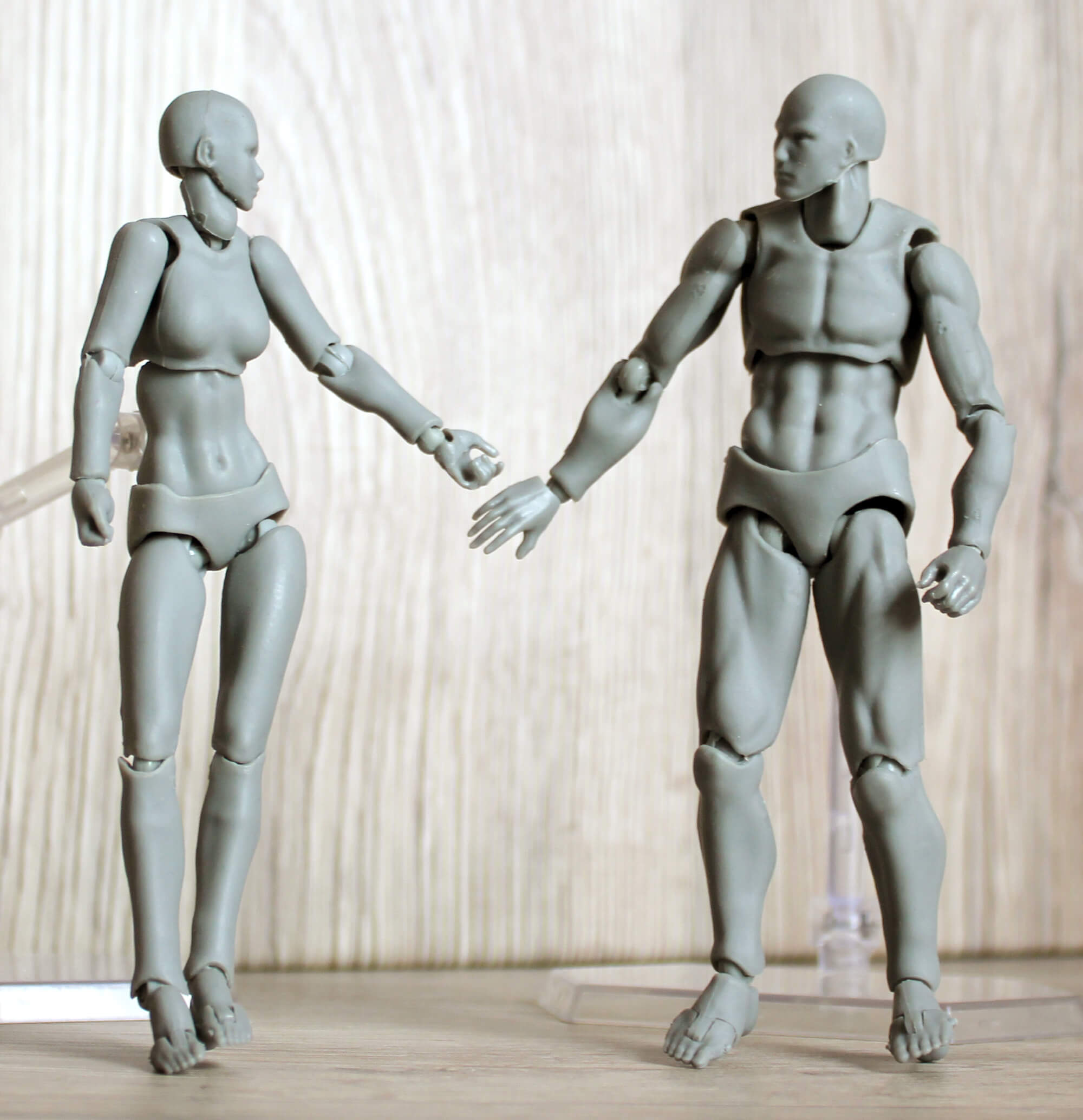
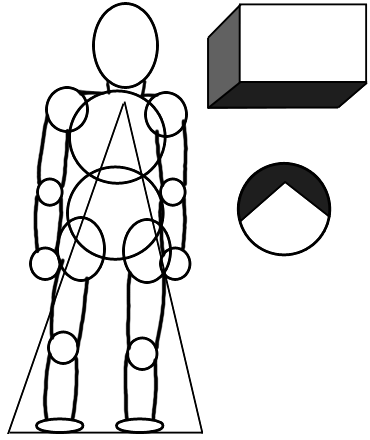
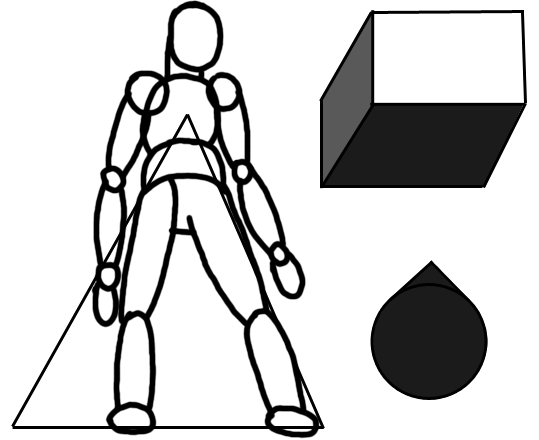
Frog’s-eye view
The frog’s-eye view offers a unique and unusual perspective in which one looks up from below. This perspective conveys a sense of awe and creates an illusory effect by making objects or buildings appear larger and more imposing. The frog’s-eye view view allows you to see details that are usually overlooked, creating a visually striking experience that offers a new perspective on the world.
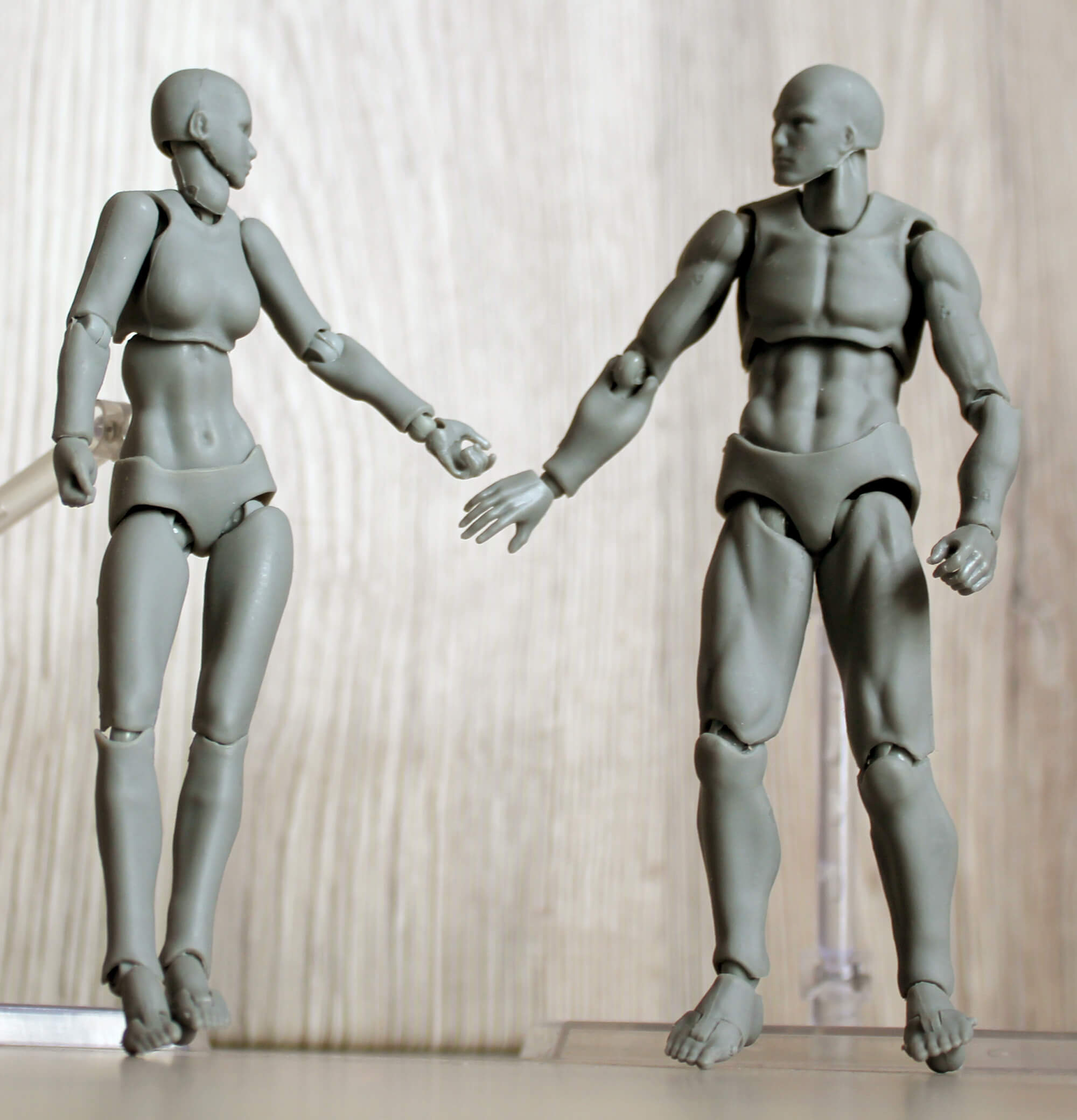
Bottom view
The vertical perspective from below is an extraordinary and rare view that usually occurs only when looking up through glass or standing in a canyon of buildings to gaze at skyscrapers. This perspective creates a striking visual effect, as it conveys a sense of humility and smallness to the viewer. This unconventional viewpoint highlights architectural details and structures, while the sky or the height of the surroundings provide a striking backdrop. The vertical perspective from below thus offers a unique opportunity to view the world from an unusual angle and enjoy a truly special visual experience.
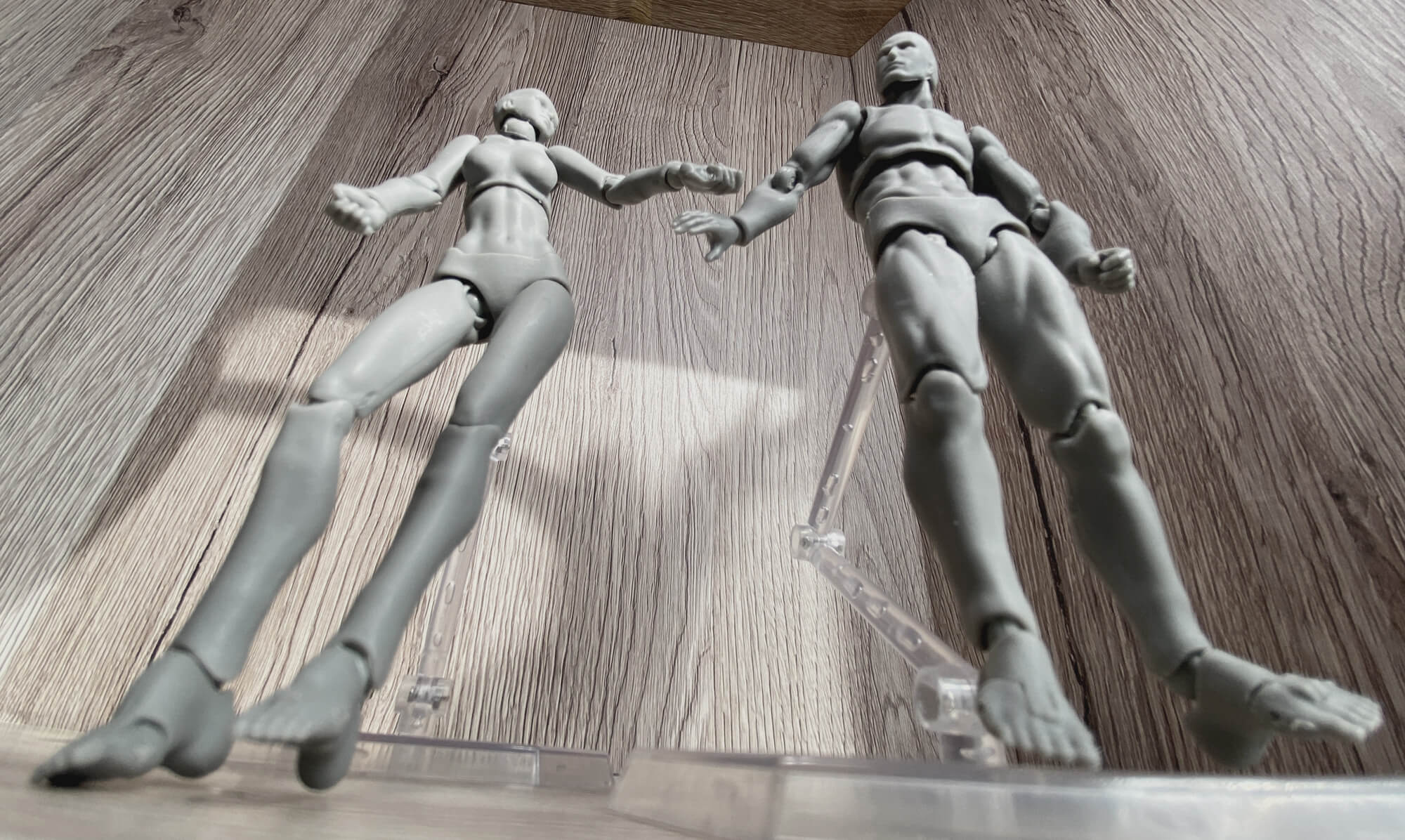

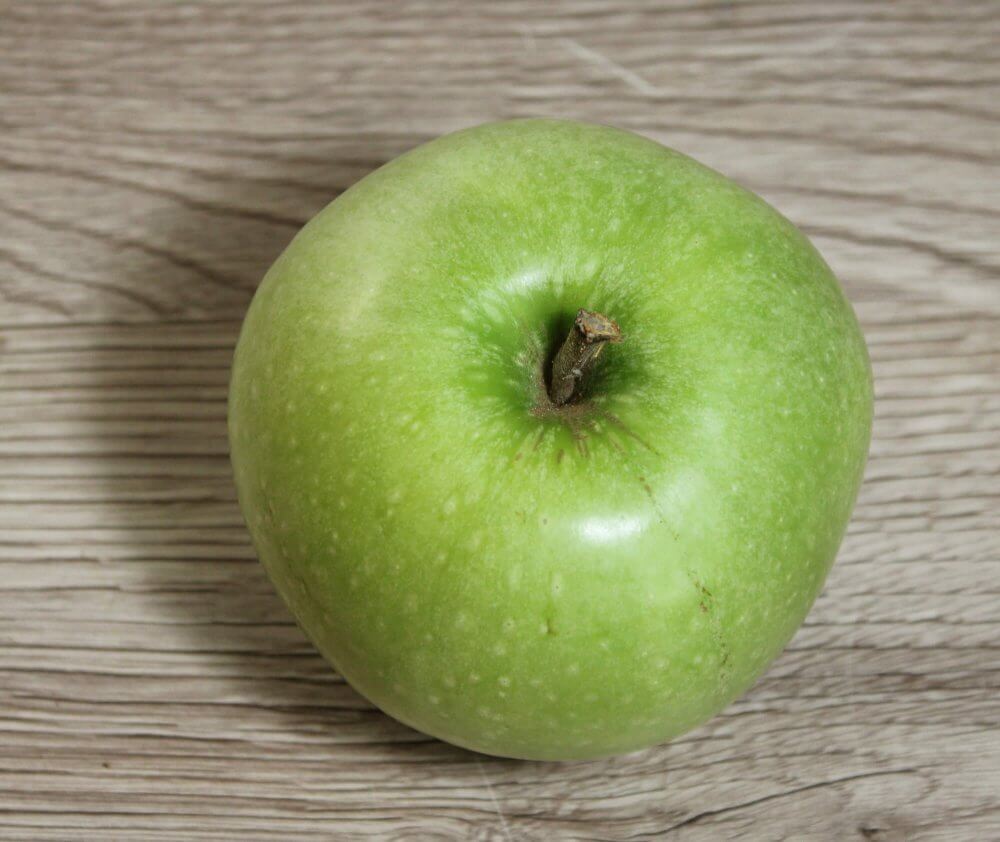
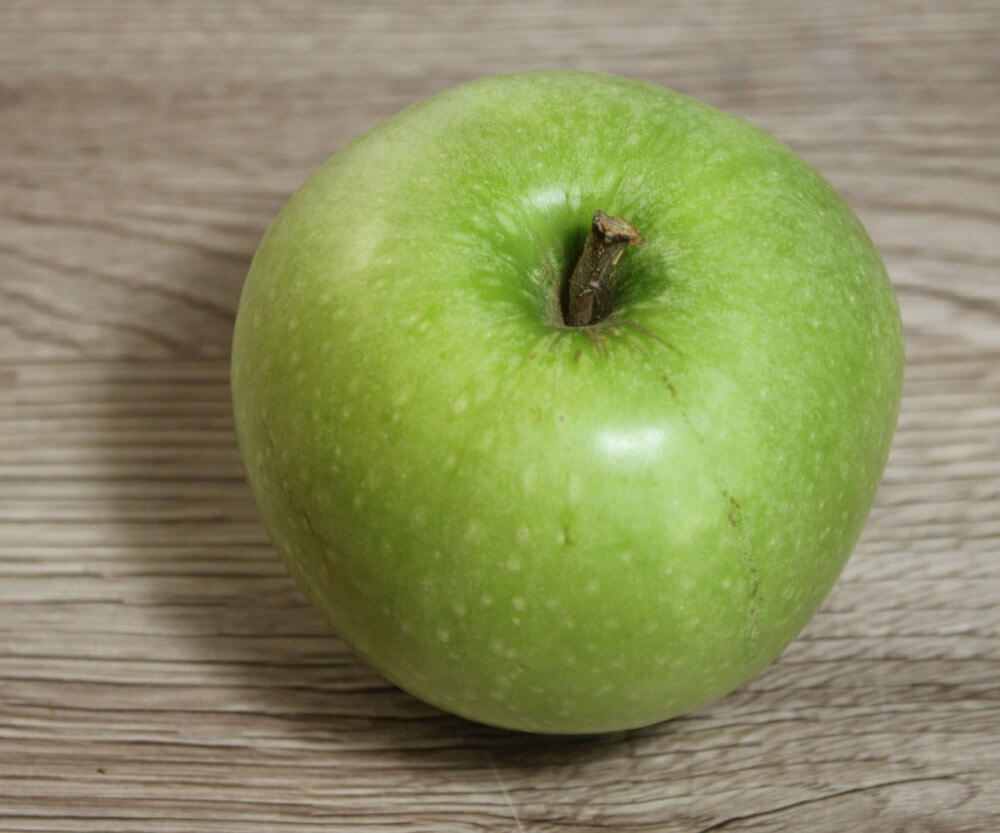
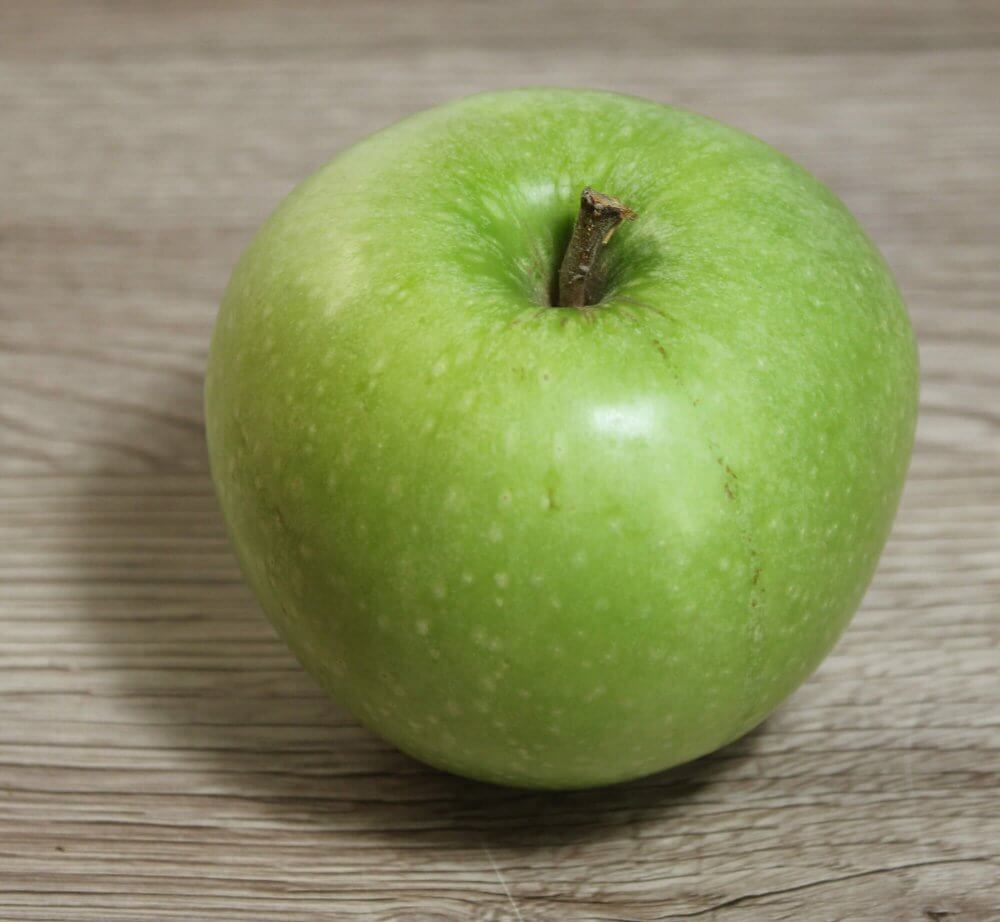
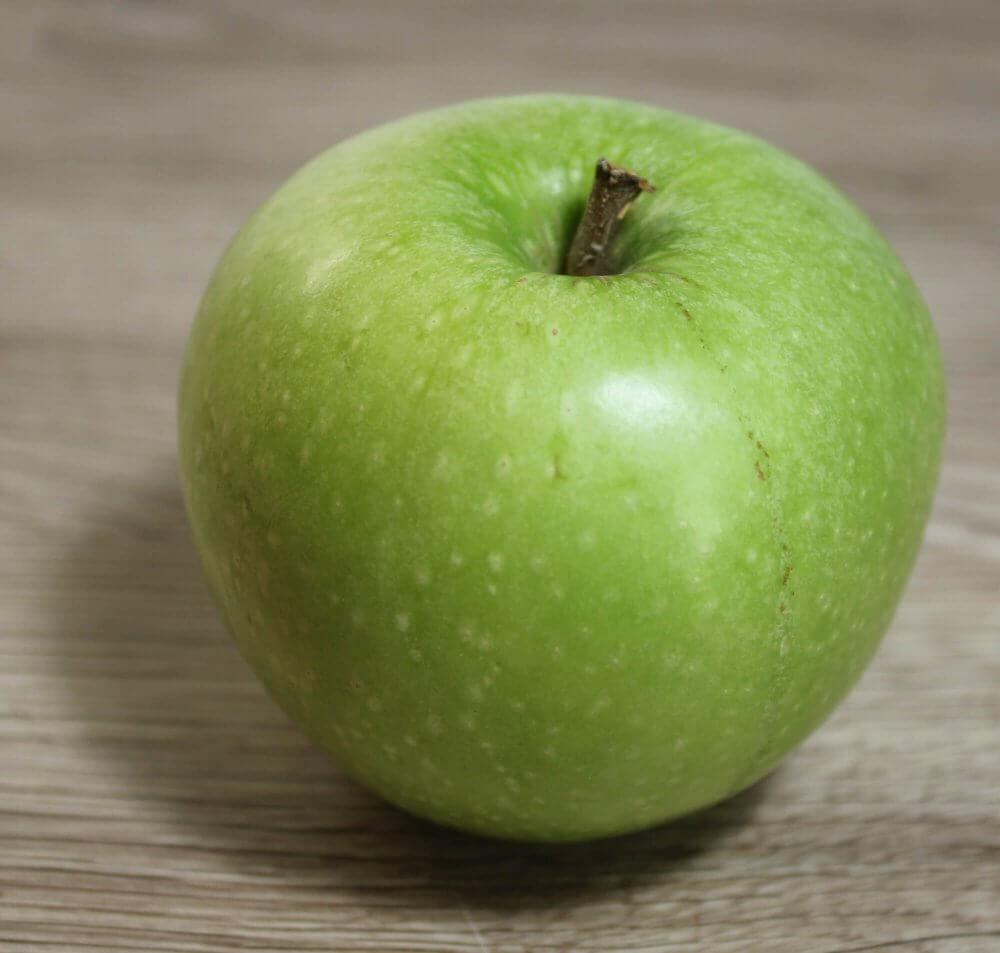
Photo Templates – Apple Photos
I photographed this apple from various angles. Unfortunately, I wasn’t able to capture the low-angle shot (due to the size of the camera) or the bottom view (because it wasn’t a glass table).
Perspectives and Shadows in Basic Shapes
On my blog (in German), I have posted some templates from various perspectives with differently positioned light sources to serve as inspiration and for practice:
Parallel perspective and vanishing-point perspective
The parallel perspective and the vanishing-point perspective are well known.
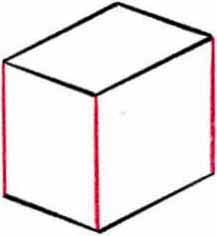
Parallel perspective is the simpler of the two because all lines run parallel to one another. The baseline is at an angle to the viewer’s line of sight, meaning we see the object from a diagonal angle above, with three sides of a rectangular object always visible.
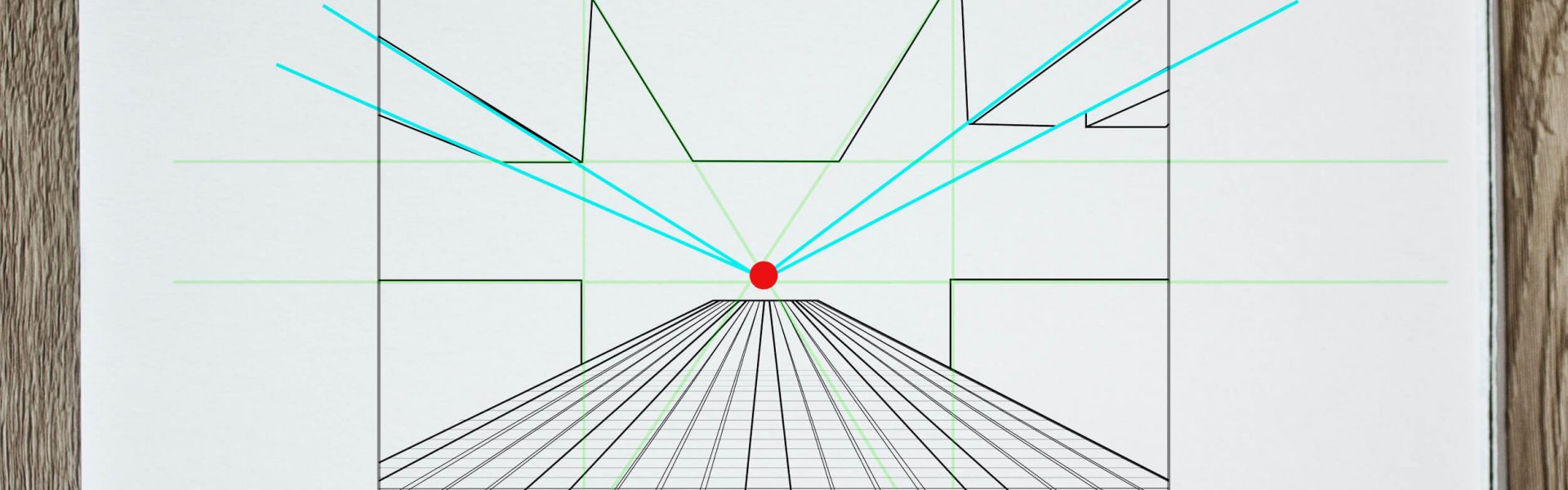
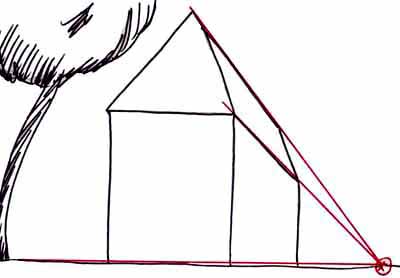
Vanishing-point perspective requires a horizon line and at least one vanishing point located on it. An object in space is then aligned with this point, meaning that the lines of depth extend to this point.
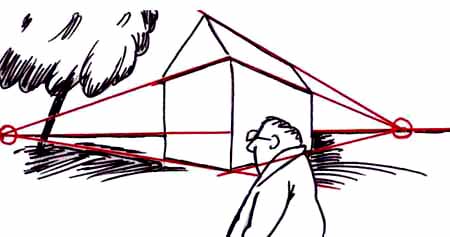
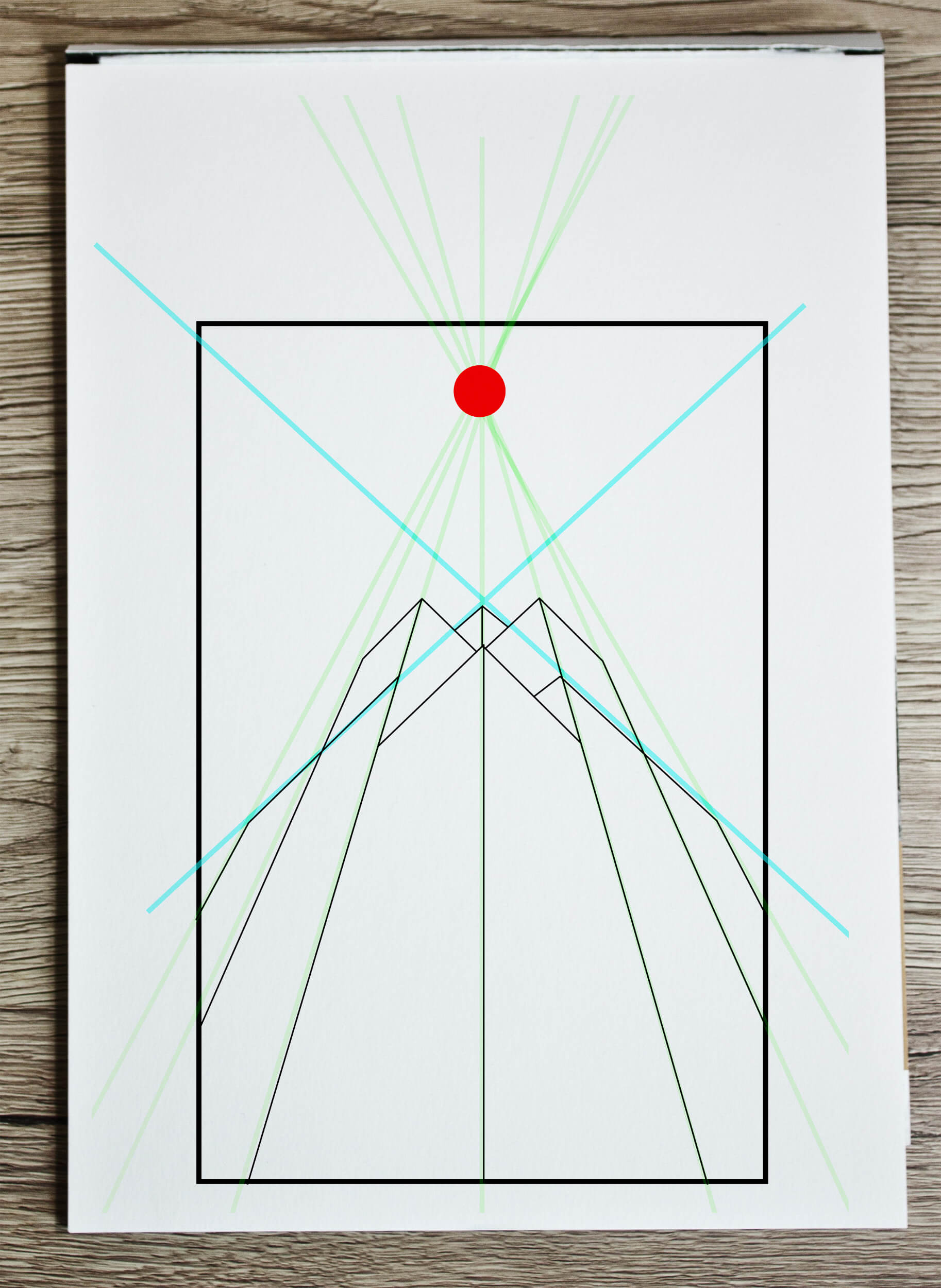
Things get more complicated with two vanishing points. In this case, the body aligns with both points at the same time, so it has two visible depths that are determined by the points. Depending on the perspective from which the viewer is supposed to see the object, the vanishing point is set either upward for the bird’s-eye view or downward for the frog’s-eye view.
Drawing with a Vanishing Point – Examples
Here are two examples of how to draw skyscrapers using guide lines and vanishing points.
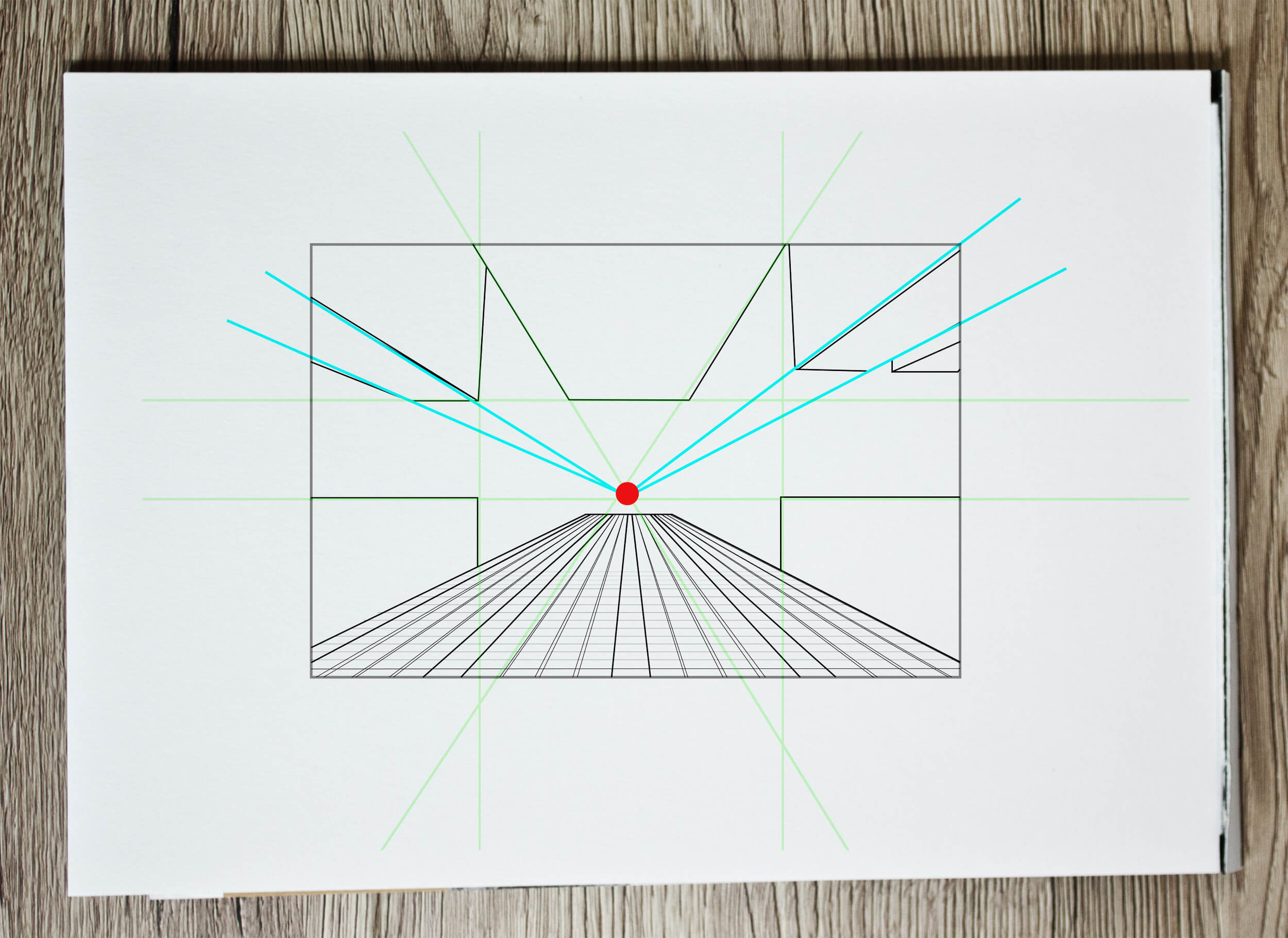
Drawing skyscrapers with vanishing points is a great way to realistically depict the impressive architecture of these buildings while mastering the challenges of perspective.
Composition Finder & Perspective Tool
The Composition Finder helps you determine the right frame and structure your compositions effectively.
The Perspective Tool complements this with guide lines and grids that allow you to build proportions and spatial effects with precision.
Together, these two tools ensure a clear division of the space and provide a solid foundation for further development.
More Pages
From the blog (German)
- Blue background – A characteristic of spatiality
- What geometry reveals about you
- Creating a Tilt-Shift / Miniature Effect in Photoshop
From the Forum (German)