Black-and-White Images
Black-and-white and grayscale images hold a special fascination. Find out here why they are still used today and how they can be employed artistically to achieve specific effects.
Difference Between Black-and-White and Color Images
The most striking difference lies in the greater amount of information contained in a color image compared to a black-and-white one. Color images differentiate, intensify, clarify, and specify to a far greater extent than black-and-white images ever can.
A color image appears much more realistic and appeals to the emotions, while abstract black-and-white imagery appeals more to the intellect. Color images are therefore easier to “read.”
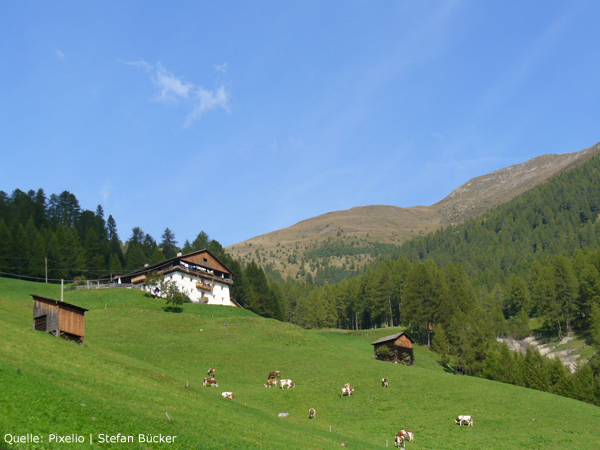
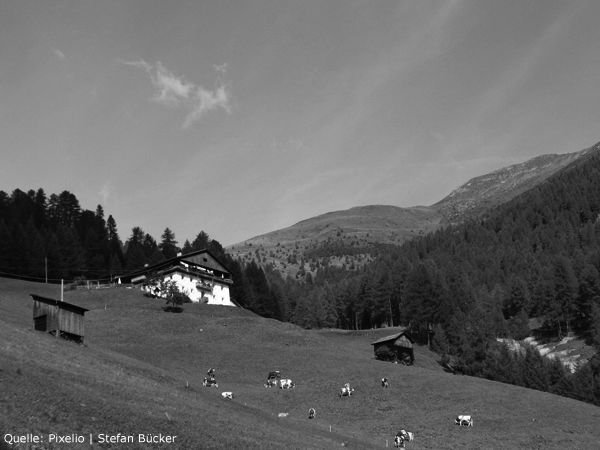
Color images, depending on the vibrancy of the colors, appear much more vibrant and cheerful than grayscale images.
Colorful, Grayscale, and Color Key in Comparison
The two extremes—colorful and achromatic—look very different when placed side by side, but each can also appear boring when viewed on its own. To add even more excitement to an image, there is the so-called color-key effect.
With this technique, the image is converted to grayscale, but important elements or the main subject remain colorful, thus drawing more attention. Such images appear more exciting because they are more varied.
- The Easter Bunny photo in color.
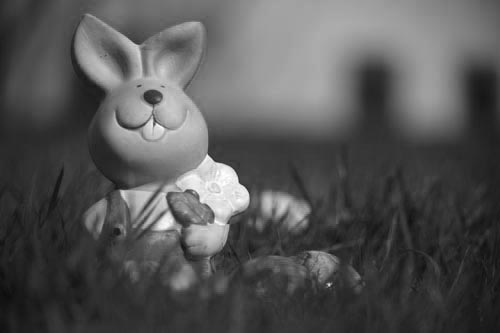
- The Easter Bunny photo in grayscale.
- The Easter Bunny with a color key effect. Only the important elements in the image are in color; the rest of the background is in grayscale. This draws even more attention to the main subject.


Color keying is often used in art to emphasize the significance of something. In Steven Spielberg’s film *Schindler’s List*, the red dress worn by a young girl draws the viewer’s attention to her in a film otherwise rendered in grayscale. The film “Sin City” also uses the color key effect to highlight specific characteristics of characters (such as the blonde hair of the mysterious Blondie).
Silhouette image
A silhouette reveals only the essential feature of a subject. The key lies in striking a balance between what can just be omitted and what defines the subject. The art lies in reducing the image to the point where the subject is still recognizable.
There is also the silhouette cast by a shadow (shadow image) in contrast to the reduced subject.
More Pages
From the German blog
- An image in many colors
- Easily recolor photos with selective color correction
- Long-term test: Lightfastness of felt-tip pens, colored pencils, markers & etc.
From the German forum